East and Southeast Asia | Malaysia | Borneo



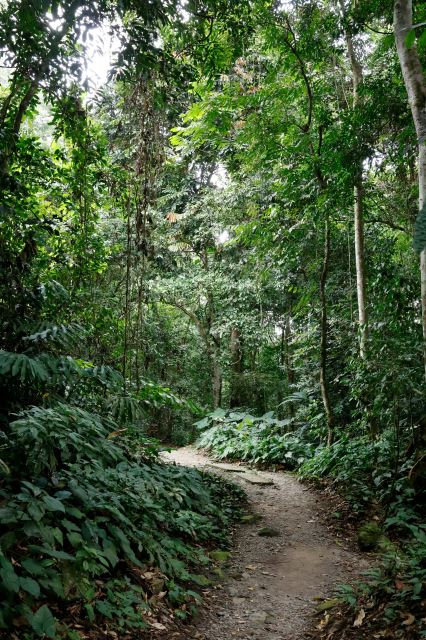
Malaysian Borneo occupies the northern part of Borneo, the world's third-largest island, and consists of the states of Sabah and Sarawak together with the federal territory of Labuan. The region is marked by extensive rainforests, rivers, mountains, limestone formations, and a long coastline along the South China, Sulu, and Celebes seas. Kota Kinabalu and Kuching are the principal urban centers, while smaller communities extend into forest and river regions. Malaysian Borneo is particularly known for its wildlife, tropical ecosystems, and combination of Indigenous cultures and modern Malaysian communities.
The region has a highly diverse cultural landscape, with numerous Indigenous peoples maintaining distinct languages, traditions, crafts, and forms of community life. Sarawak is home to more than 30 ethnic groups, including the Iban, Bidayuh, and Melanau, while Sabah includes communities such as the Kadazan-Dusun, Bajau, and Murut. Traditional longhouses remain an important cultural feature in parts of Sarawak, where visitors can learn about weaving, cooking, music, and community customs. Harvest celebrations such as Gawai Dayak also reflect the continuing importance of Indigenous traditions within contemporary Borneo.
Malaysian Borneo contains several major protected areas and internationally recognized natural sites. Kinabalu Park in Sabah surrounds Mount Kinabalu, which rises to 4,095 meters and supports thousands of plant and animal species. In Sarawak, Gunung Mulu National Park is known for its limestone pinnacles, extensive cave systems, and large underground chambers. Sabah's Kinabatangan River provides habitat for proboscis monkeys, orangutans, pygmy elephants, crocodiles, and numerous bird species, while Danum Valley protects a large area of lowland rainforest. Offshore, Sipadan is known for its coral reefs and diverse marine life.
Food in Malaysian Borneo reflects the region's many communities and ecosystems. Sarawak specialties include Sarawak laksa, kolo mee, and dishes prepared with wild vegetables, while Sabah is known for foods such as hinava, a preparation of raw fish with lime and local seasonings. Rice, seafood, tropical fruit, and freshwater fish are common ingredients across the region. Sago is also important in parts of Borneo, particularly in traditional cuisines. Another distinctive feature is the close relationship between food and community life, with traditional cooking, farming, fishing, and gathering practices continuing alongside the region's growing cities and tourism industry.
Other Popular Destinations in Malaysia